Work Wednesday—Farming and Fencing


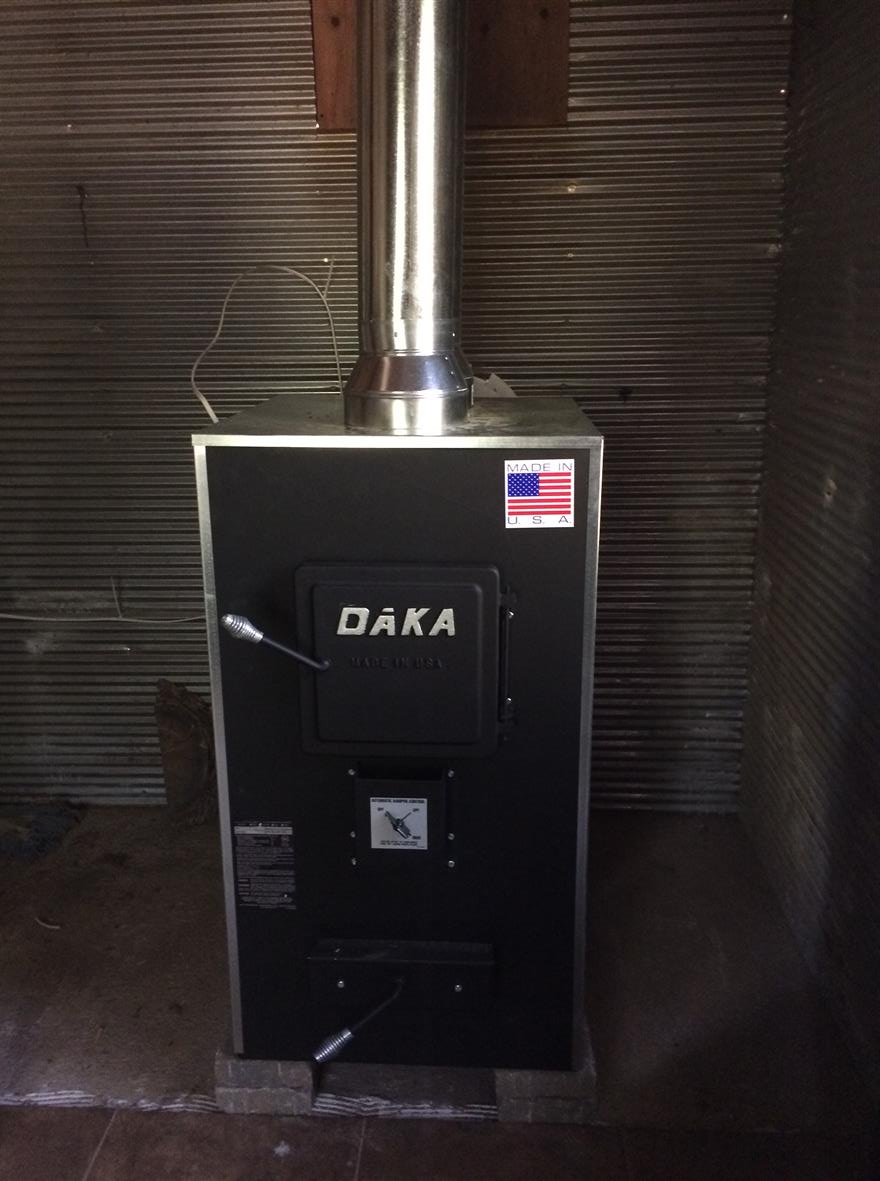
Bringing you up to speed, we’re back it on the outdoor projects: farming and fencing. We  installed  the new wood furnace last week, and while we tested for draw, we haven’t actually used it yet:
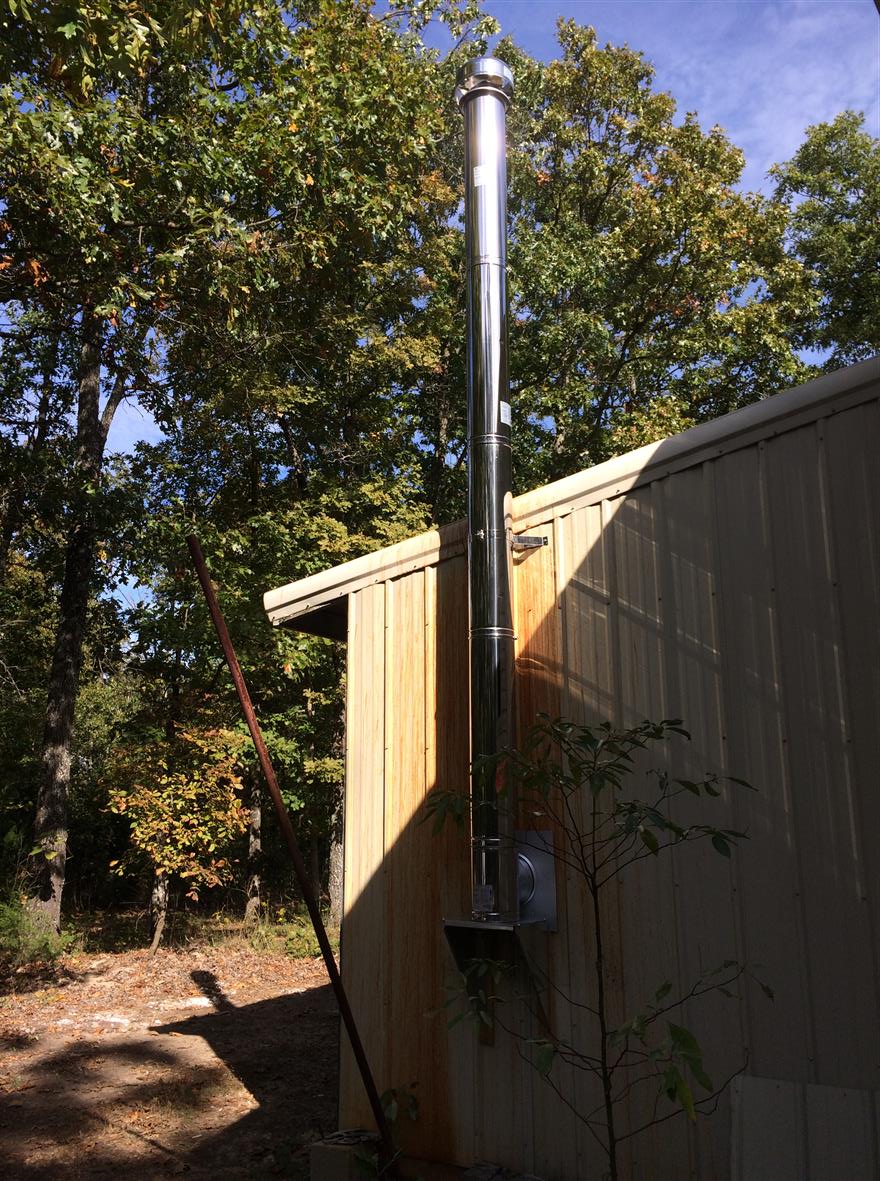
img_76331

img_76341

We picked up an old Ford field tiller at an auction, and that’s certainly making the groundbreaking easier in the garden extension. It took a day to pull down the fence, work up the ground in the current garden, and put the fence back up to keep the deer out of the orchard. Come spring, we’ll add on to the fence.
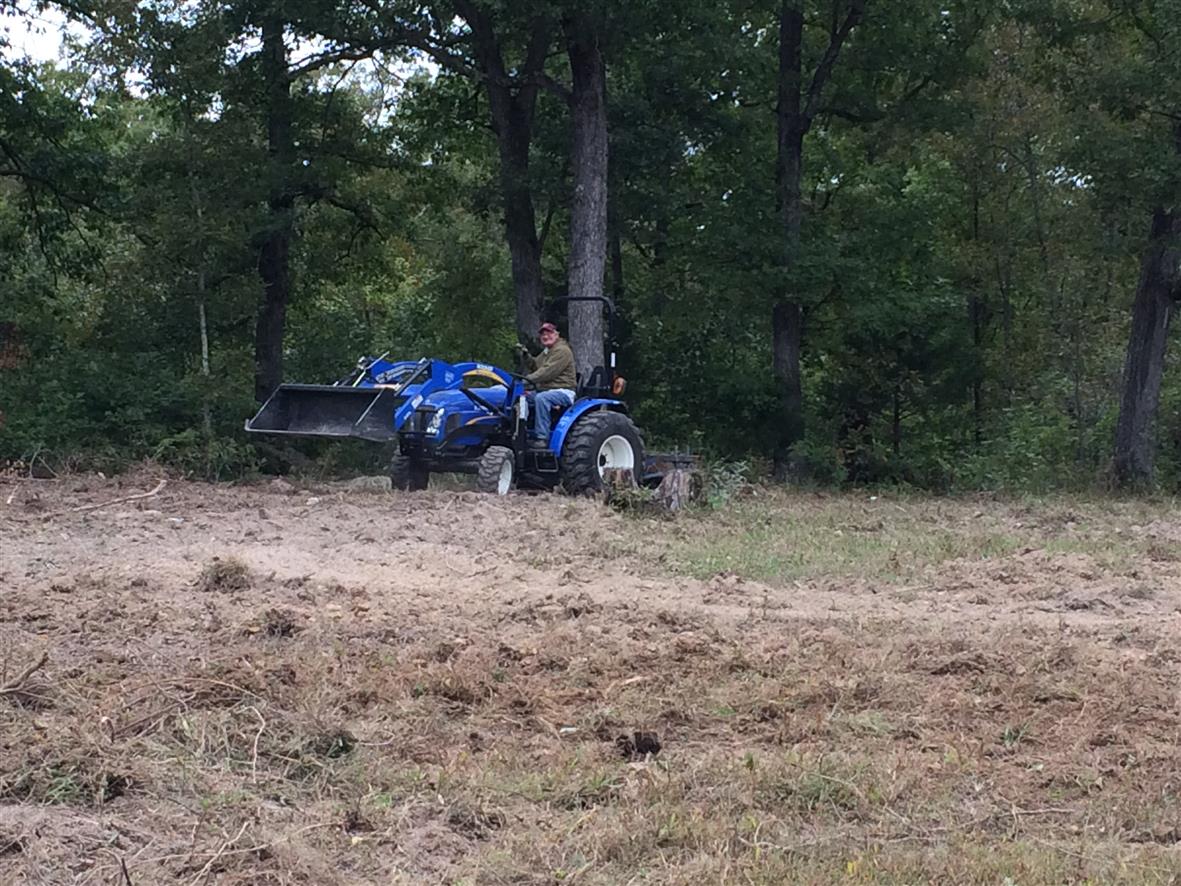
img_76251

Also borrowed a rock rake. Have to take care of this year’s crop, after all!
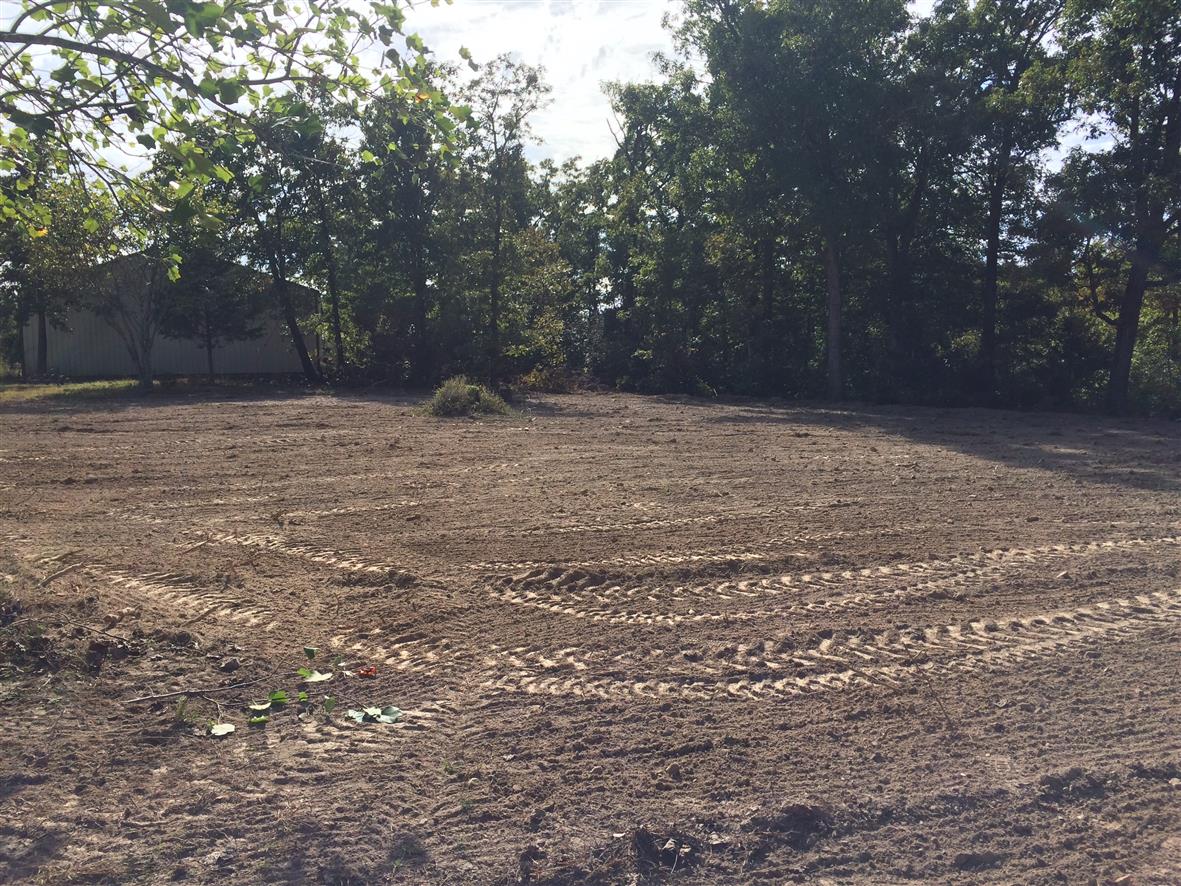
img_76291

The pasture fence posts are here! And some are in the ground—the pasture will be about 300 feet by 100 feet, or just over three-quarters of an acre. If we ever manage to get additional land, we’ll revisit this, maybe add another pasture for cows.
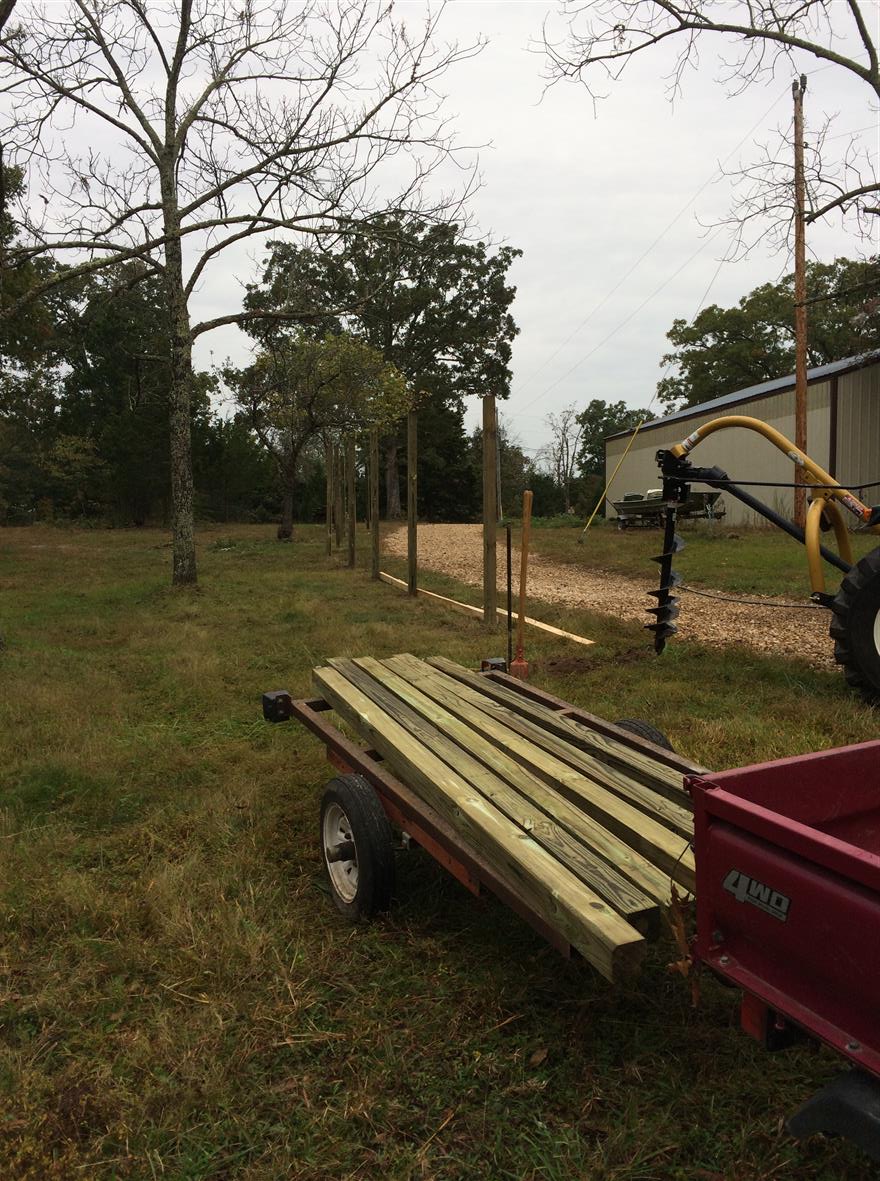
img_76481

In the meantime, we’re putting in an open pole barn for shelter and hay storage, because it looks like we might have a visitor from the neighbors: Chestnut, a seven-year-old sorrel mare who needs to be saddle-broke. No, I’m not planning on riding a bronc. She’s broke to harness, and needs some refresher courses.

Of course, I’m also the one who tripped over a landscape timber and had very sore knees for a couple days, so we’ll see how this goes. I’ll keep you updated!

Also found another Midnight-lookalike horse, from the Amish, who’s harness-broke. Very, very tempting . . . I messaged but haven’t heard back. Maybe I’ll call . . .


Prep Monday—Keeping Track


I’ve talked before about the importance of food storage, but a little less about keeping track of what you have and what you might need, as well as rotation.

Now, you should only be stocking food you’ll actually eat, so theoretically rotation should be simple: you remove it from storage, use it, replace it.

For instance, if I’m out of butter, say, here in the house, I can run up to the freezer in the barn and grab a pound or two. If it’s not in the house, it’s in the barn freezer or storage unit; if it’s not there, I make do until our next trip to the store. Rotation, in this case, is simple.

And of course, when shelving items, put the new ones in the back and take from the front. Like your own grocery store.

I mentioned the dreaded “I’m out of ____.” Yes, it happens, even to the most prepared people. This is why I have a list.

I keep it on my computer, and once a month I print it out and check off all the items I have on hand, adjusting quantities as needed. Normally, if we pull something out, I note it right away; likewise, after a shopping trip, I use the receipt to add things we’ve purchased. By using the receipt instead of counting actual items, you’re able to shelve things right away. We usually stop at the barn first and unload whatever goes there.

Normally I’ll make the quantity adjustment as soon as I remove something, but occasionally that doesn’t work out so well. Say, if I’m in the middle of cooking and can’t leave the stove or even when my husband grabs something and doesn’t, ahem, tell me.

It’s important to keep track—what if SHTF and you suddenly can’t find batteries—or butter—because you used them and didn’t write it down? What if your propane is all used up? Or you’re out of bacon? Disaster!

So you not only need to stock supplies, but keep track of them and rotate—otherwise, you’ll be out of something important or, even worse, it’ll be moldy or stale and useless.

Take the time to make a list of all the things you might use in a week, and make sure you have at least one of each item, plus one more to store. That makes your inventory small and doable. As you get better at prepping, you can increase the amount of time and number of items needed to keep yourself in supplies for a longer period.