Smokin’ in the Boys’ Room


I read this morning that a Japanese company was now giving non-smokers six extra days off each year. Apparently, the non-smokers complained that they were working more that their co-workers who smoked, i.e., took smoke breaks.

Everyone knows the dangers of smoking. It’s not rocket science. The first Surgeon General’s report on smoking was in the 1950s and they say it’s worse for you now because there are more chemicals in cigarettes, along with the nicotine.

In the 1970s, the correlating danger of second-hand smoke was brought to the public’s attention and not long after that, one would be offered a choice of “smoking” or “non-smoking” in various venues. That was followed, naturally, of smokers claiming to be discriminated against.

I’ll say it straight out—it’s a bad habit. So are a lot of things. This one, however, does indeed effect everyone around the smoker at the time it’s being done. Overeating doesn’t; alcoholism doesn’t. While these habits may interfere with others’ rights at a later date, they are not so, if you will, “in your face.”

I know a lot of people who have had cancer; only one or two were smokers. The CDC lists the following causes of death in the US, annually:

•Heart disease: 633,842

• Cancer: 595,930

• Chronic lower respiratory diseases: 155,041

• Accidents (unintentional injuries): 146,571

• Stroke (cerebrovascular diseases): 140,323

• Alzheimer’s disease: 110,561

• Diabetes: 79,535

• Influenza and pneumonia: 57,062

• Nephritis, nephrotic syndrome, and nephrosis: 49,959

• Intentional self-harm (suicide): 44,193

On another section of the CDC website, they attribute 480,000 deaths to smoking; this ranks smoking as Number 3. Certainly, you could argue that smoking doesn’t help any of these diseases or illnesses and may well cause some of them, but it’s not listed as its own, per se.

As an interesting side note, gun deaths by homicidal maniac aren’t listed at all . . .

But, as often, I digress. Let’s go back to Japan:

I’m a smoker. And I’m a lot more productive at a desk when I can smoke. If I’m thinking about when I can take a smoke break, or trying to get my brain to fire on all cylinders, I’m a lot less productive.

So I’m thinking, why not have a smoking section in the office? Surely Japan, of all places, could come up with a really good ventilation system. Smokers would probably double their productivity on the clock—heck, they might even end up being the ones to get the extra days off!


It’s Complicated


Sometimes, homesteading sucks. When the temps in October, for cryin’ out loud, drop to 23 degrees overnight, after two days of highs in the 40s and overcast skies, you get just a bit snippy. Especially when you’re out of practice working the wood furnace and it takes two hours for the heat to kick on.

Lest you think we’re freezing, the entire time, we are not. My husband turns on the fireplace when he gets up briefly around 5:00, and I turned on the space heater at 6:30.

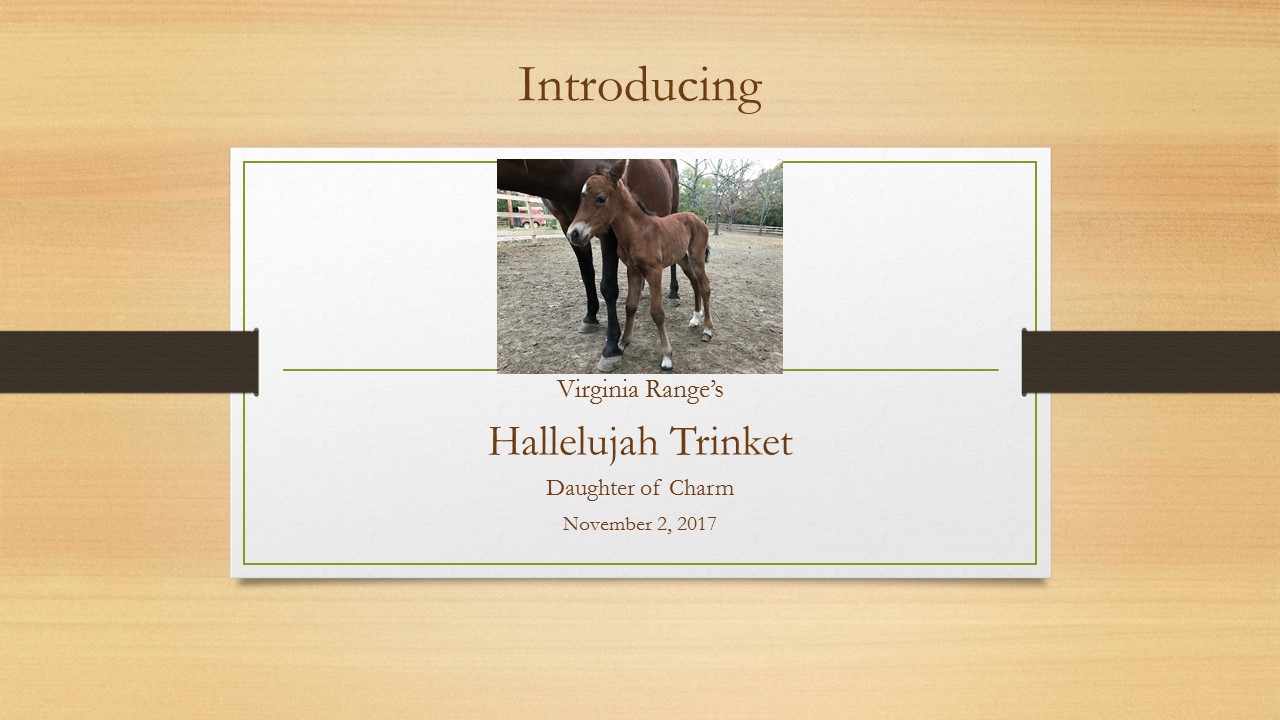
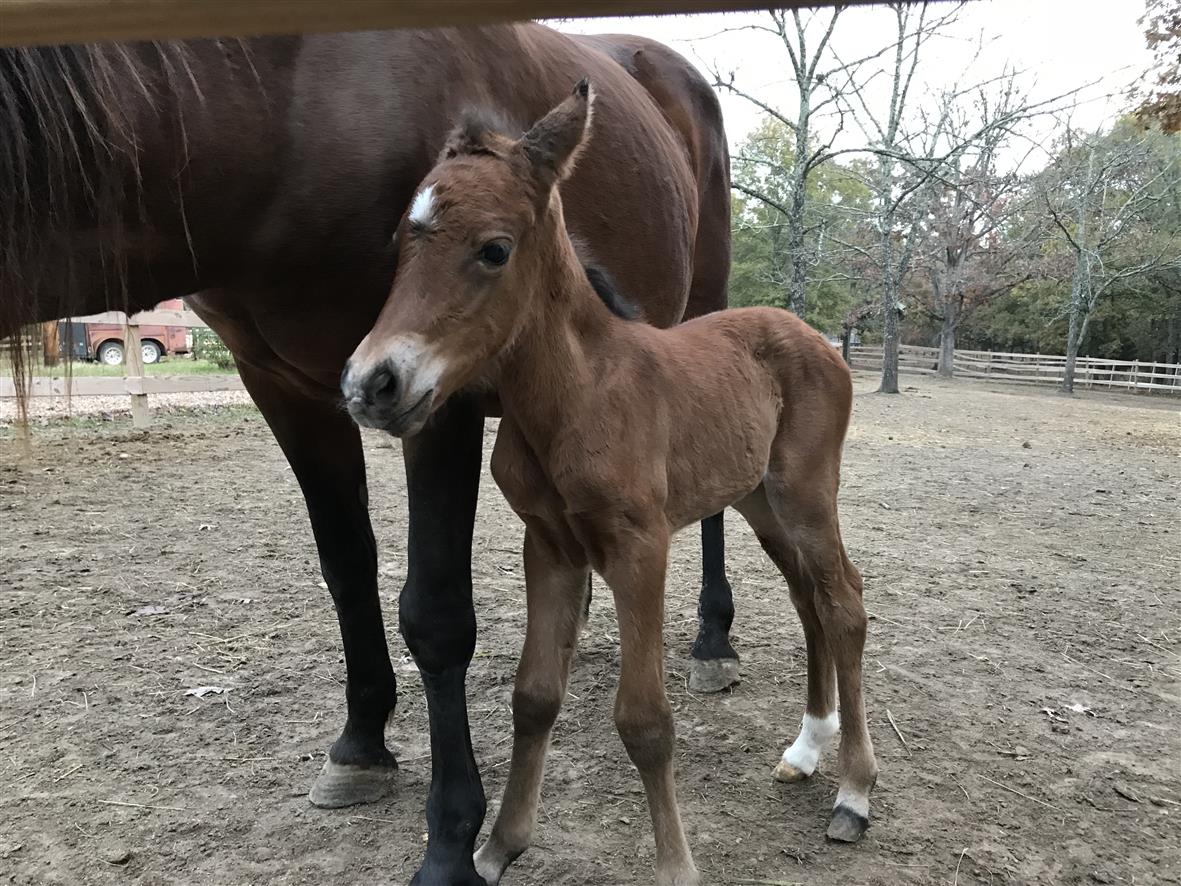
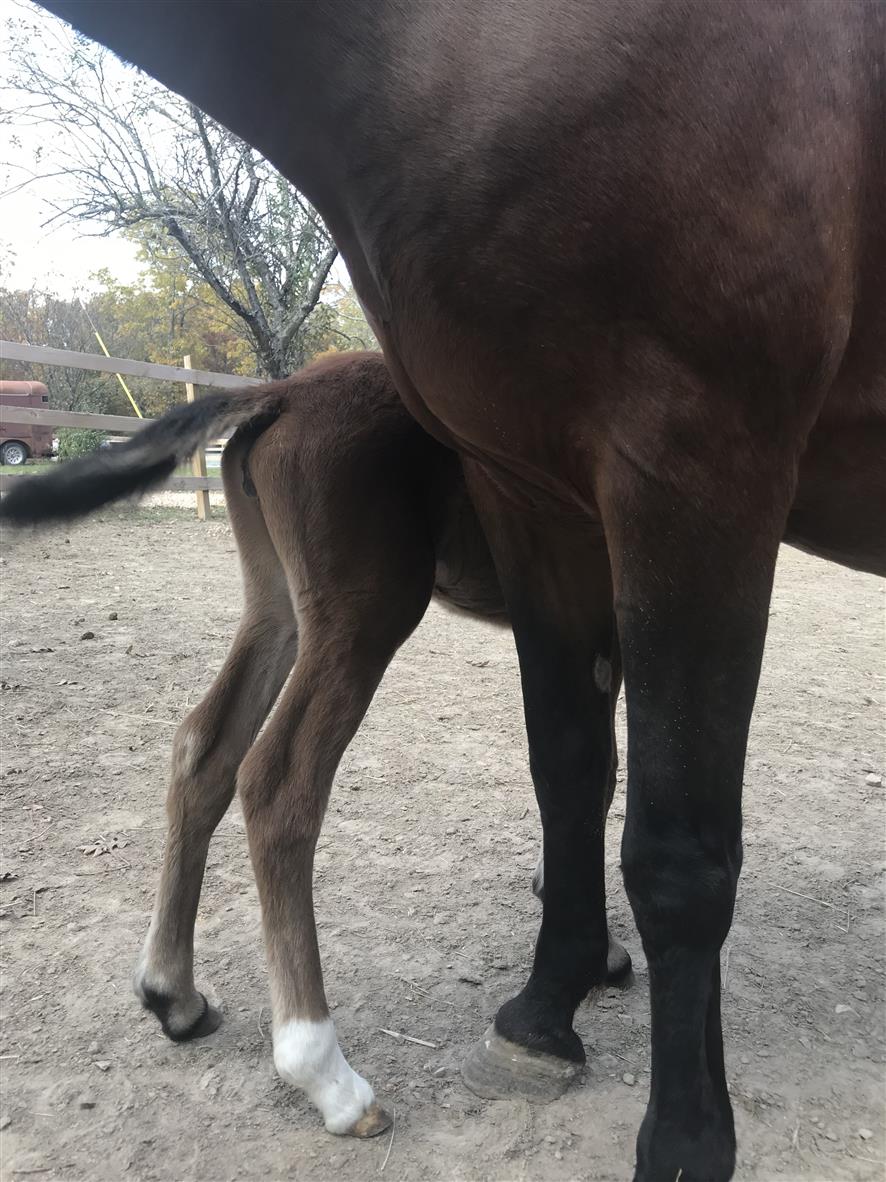
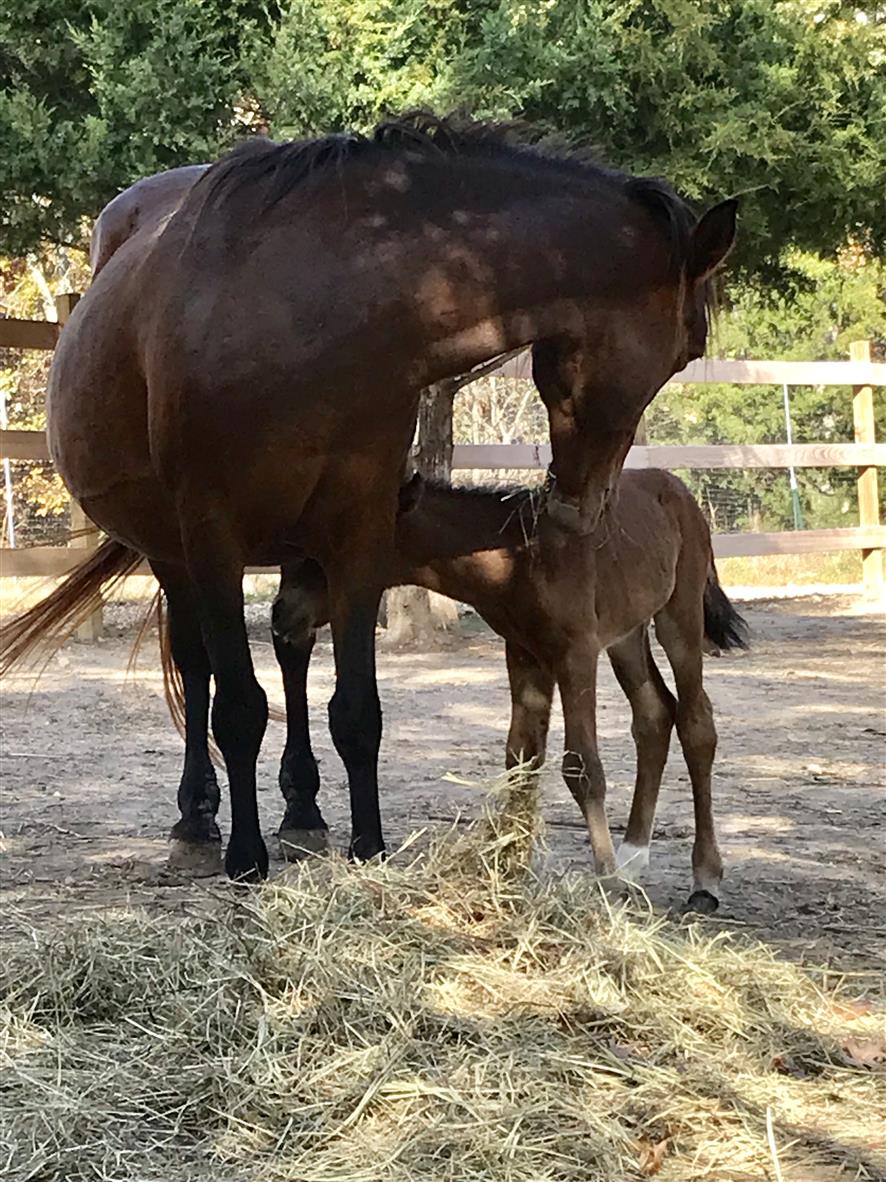
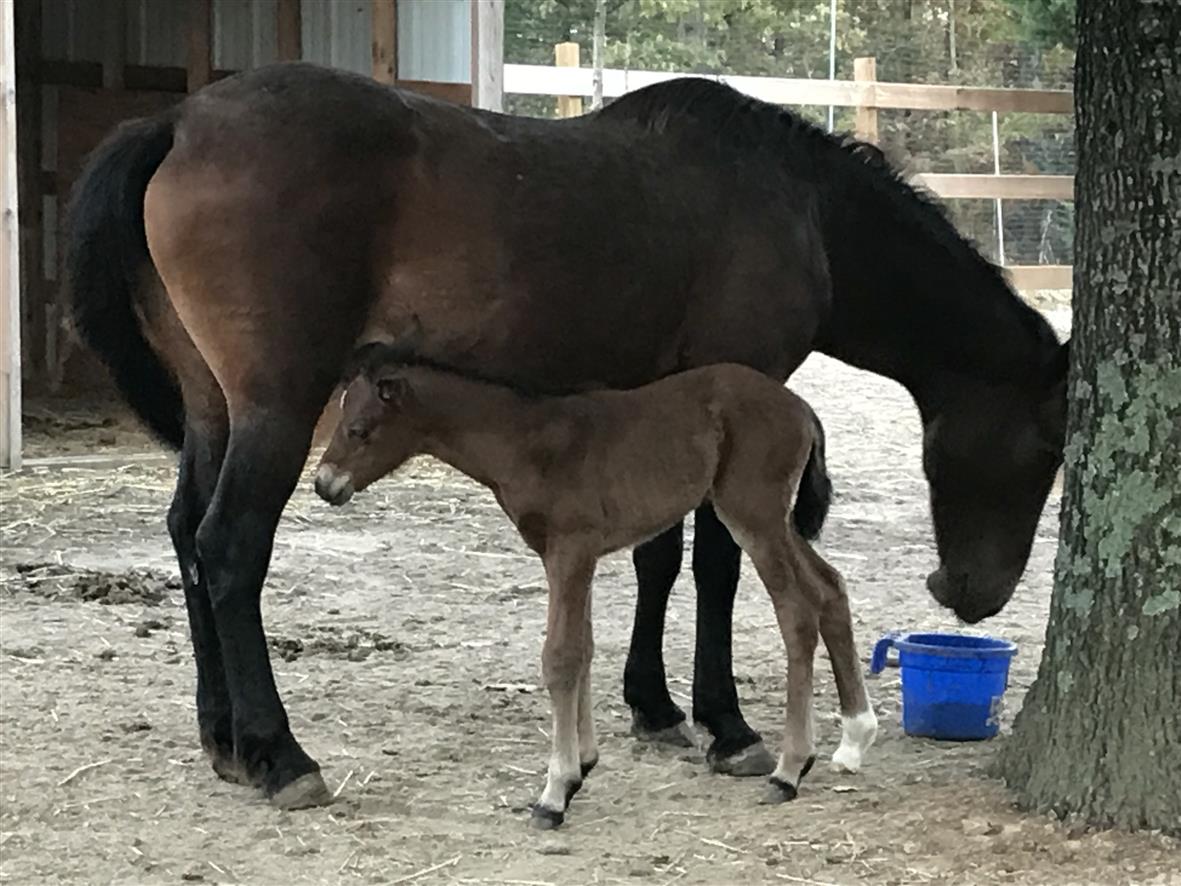
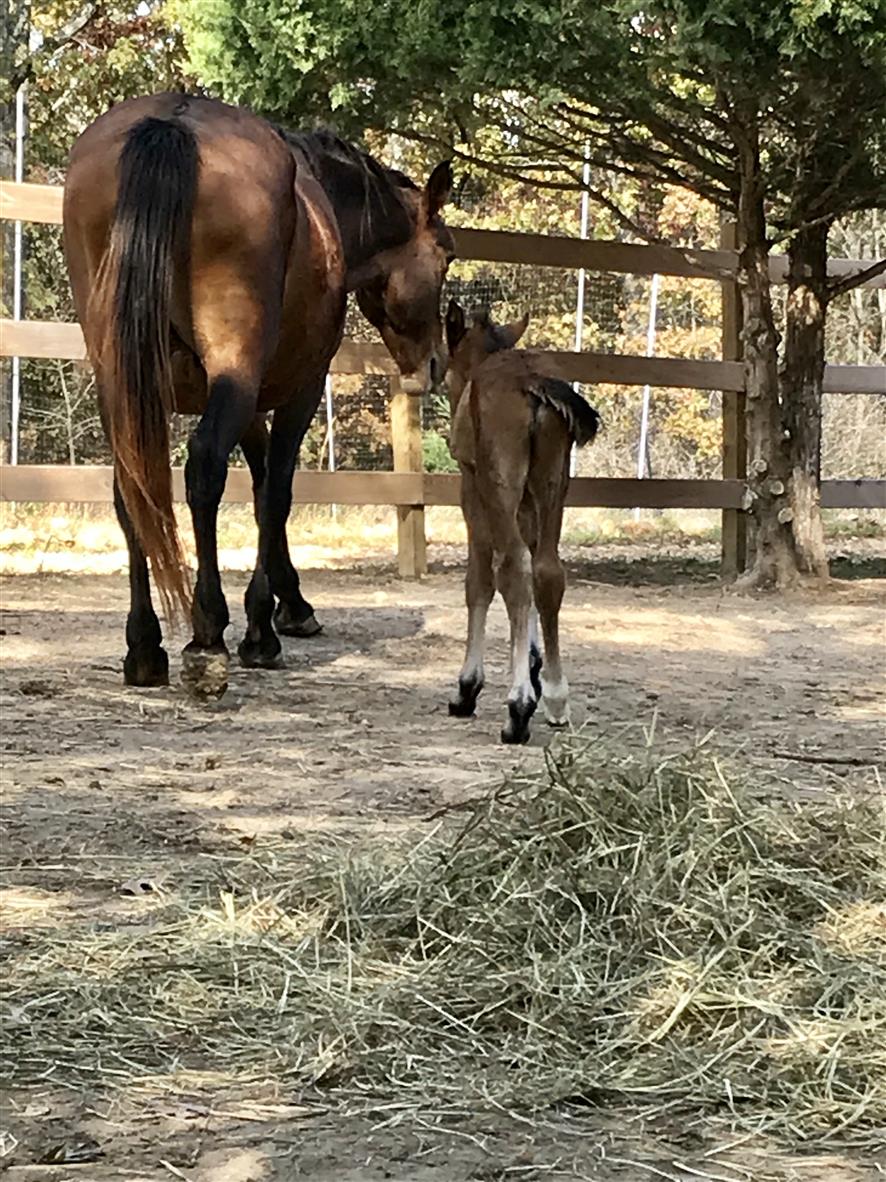
I was up all night, every few hours, checking on Charm who I swore would probably foal during the wee hours. She did not. Of course.

The stars were amazing, though, as I looked up through chattering teeth. My fault. I was so anxious to see her that I forgot to put on my boots AND my coat. The first time. After that, I remembered!

This morning, her udders are huge. That’s the only change. So far.

At any rate, the sun is up and shining into my office, the furnace finally kicked on after my husband did something to it—not asking questions—and the horses are all eating or stampeding. It’s warmed up outside to just above freezing, and inside it’s pushing 66.

I can live with that, especially wearing long underwear and a couple layers on top.

Thankfully, all the plants are in the greenhouse and the herbs I use most often are on the kitchen table. Once the mercury hits 40, I can finally turn off the heat lamps in the greenhouse and start outside chores.

I have a lovely Carhartt coat and gloves and yes, I wore my face mask this morning. Have to wait for the manure to thaw, though, before I can work on that, but there’s plenty more to do. Firewood, for instance. Need lots of that, obviously!

Here’s the thing—regardless of the weather or lack of sleep or any number of things, you still have to get up and get out and get moving. Animals need to be fed; ice on water troughs must be broken up. If you don’t have animals, there’s still plenty to do.

Just because it’s frigid today, and last night, and the last couple days, doesn’t mean it’s winter and you should just give up. It means this is a taste of what’s to come, so you better get your butt in gear. Sometimes it’s hard to prioritize.

If you don’t harvest your garden before it freezes, you’ll have less food than you expected—and the same goes during the summer when it might be “too hot” to get out there and hoe and rake and pick vegetables. If you plan your work, you can do it when it’s cool or warm, depending on the season, and be a lot more comfortable.

In the summer, we start outside work early in the day and let the inside stuff slide until after dark or when it’s raining or way too hot to be out in the sun.

In the winter, it’s just the opposite. I still get up early, but I do inside stuff like cleaning until it warms up a bit. And by “a bit,” I mean I prefer it to be at least 50, but some things have to be done no matter how cold it is!

But it’s complicated. Much more complicated than, say, watching TV reruns of Little House on the Prairie. You could say it’s like running a corporation—being CEO of survival.

For instance, in my case, how much do I feed the horses, hay and grain, and when do we need to purchase more? How often can they go into the pasture before they eat it down to dirt, and how often to seed and water and let it rest? Is it too wet for hooves? You have to balance all that along with record-keeping and weather. That doesn’t even include a training schedule or just hanging out—or shoveling manure and cleaning water troughs.

When do you start a fire in the furnace in order to make sure the house doesn’t get too cold when the sun goes down? How often should you feed that fire? Will opening the thermal curtains help with warmth, or keep out the cold? And in the summer, when do you close those curtains and when do you open and close windows?

Is it warm enough and not too windy to air out the greenhouse? Should you turn on the heat lamps or can the plants survive without them overnight or even during a cloudy day? The garden, of course, needs to be planned to make the best use of space, water, and sun, but you also need to learn how much of what to plant—and what to freeze, dry, or can.

Like I said, it’s complicated. We’re not a sitcom or even reality TV—although some days, we could be!